
Whenever we hear of K-pop we think about bright music videos, bone breaking choreography, and glass breaking voices. When all of these things get combined in an album, a masterpiece gets made.
Some of these albums do record-breaking sales numbers and climb global charts, but the albums that truly matter are not always the ones that sold the most copies.
From legendary Seo Taji and Boys to BTS, we’ve seen albums that invented new sounds, changed how fans interact with artists or how the rest of the world viewed Korean music.
This list of top 25 best K-pop albums is an attempt to identify the albums that permanently altered the trajectory of the genre and shaped the modern K-pop industry.
First, let’s see how we’re going to determine the ranking of K-pop albums.
How We Ranked the Best K-pop Albums?
Unlike rankings based purely on sales or chart performance, this list weighs five factors:
1. Influence
Did the album change how future K-pop artists made music?
2. Cultural Impact
Did it affect Korean society, fandom culture, or the global perception of K-pop?
3. Critical Acclaim
How was the album received by critics and music historians?
4. Artistic Innovation
Did it introduce new sounds, concepts, or production approaches?
5. Longevity
Does the album still matter years after release?
Commercial performance matters, but sales alone are not enough to earn a place here. This is not a ranking of the biggest K-pop albums. It is a ranking of the most important ones.
Now, let’s dive right into album ranking and see if your fav makes the cut.
25 Best K-pop Albums of All Time:
| Rank | Album | Artist |
| 1 | Map of the Soul: 7 | BTS |
| 2 | Pink Tape | f(x) |
| 3 | Love Yourself: Tear | BTS |
| 4 | MADE | BIGBANG |
| 5 | Girls’ Generation | Girls’ Generation |
| 6 | WINGS | BTS |
| 7 | Seo Taiji and Boys | Seo Taiji and Boys |
| 8 | CRUSH | 2NE1 |
| 9 | 4 Walls | f(x) |
| 10 | FML | SEVENTEEN |
| 11 | EXODUS | EXO |
| 12 | Get Up | NewJeans |
| 13 | Sorry, Sorry | Super Junior |
| 14 | Feel Special | TWICE |
| 15 | I Yah! | H.O.T. |
| 16 | I Never Die | (G)I-DLE |
| 17 | The World EP.1: Movement | ATEEZ |
| 18 | Born Pink | BLACKPINK |
| 19 | Right Place, Wrong Person | RM |
| 20 | The Name Chapter: TEMPTATION | TXT |
| 21 | Alive | BIGBANG |
| 22 | Perfect Velvet | Red Velvet |
| 23 | Palette | IU |
| 24 | 1 of 1 | SHINee |
| 25 | Formula of Love: O+T=<3 | TWICE |
Now let’s look at why these albums are this iconic.
25 – Formula of Love: O+T=<3 (TWICE) (2021)

Source: Spotify
By 2021, TWICE had already established themselves as one of K-pop’s biggest girl groups. The challenge wasn’t proving their popularity. It was proving they could evolve while staying true to their identity.
Formula of Love: O+T=<3 showcased that evolution perfectly. Blending synth pop, disco, city pop, and R&B, the album demonstrated a more mature and versatile side of TWICE without losing the catchy melodies that made them famous. Songs like Scientist and Moonlight highlighted the group’s growing musical confidence and willingness to experiment.
While it didn’t redefine the industry on the same scale as higher-ranked albums, it showed that established girl groups could successfully reinvent themselves and remain creatively relevant.
Why It Changed K-Pop?
- Demonstrated long-term artistic evolution
- Expanded expectations for mature girl-group albums
- Helped redefine TWICE’s global identity
- Became a benchmark for late-career reinvention
Essential Tracks of the Album
- Scientist
- Moonlight
- Icon
24 – 1 of 1 (SHINee) (2016)

Source: Spotify
Instead of following contemporary trends, SHINee looked to the past and made it feel new.
Inspired by 1990s new jack swing and retro R&B, 1 of 1 embraced nostalgic sounds with polished production and exceptional vocal performances. Rather than relying on nostalgia alone, the album reintroduced older genres to a new generation of listeners in a way that felt fresh and modern.
Its influence can still be heard in many retro inspired K-pop releases that followed. More importantly, it reinforced SHINee’s reputation as one of the industry’s most innovative groups, willing to experiment while maintaining strong musical identity.
Why It Changed K-Pop?
- Popularized retro revival concepts
- Showcased exceptional vocal performance standards
- Reinforced SHINee’s reputation as trendsetters
- Influenced later retro-pop movements
Essential Tracks of the Album
- 1 of 1
- Prism
- Don’t Let Me Go
23 – Palette (IU) (2017)

Source: Spotify
Although IU is often viewed differently from traditional idol artists, Palette remains one of the defining Korean pop albums of the last decade.
Released as IU entered her mid twenties, the album explored adulthood, self discovery, and personal growth with remarkable honesty. Rather than relying on elaborate concepts, Palette resonated through thoughtful songwriting and emotional storytelling.
The title track featuring G Dragon became one of Korea’s most beloved songs, while tracks like Through the Night showcased IU’s strength as both a songwriter and performer. The album also strengthened the perception that Korean pop artists could build lasting careers through authenticity and artistic credibility.
Why It Changed K-Pop?
- Elevated singer-songwriter credibility
- Expanded conversations around artistic authenticity
- Influenced a generation of solo artists
- Became one of Korea’s most acclaimed albums
Essential Tracks of the Album
- Palette
- Through the Night
- Dear Name
22 – Perfect Velvet (Red Velvet) (2017)

Source: Spotify
Perfect Velvet seamlessly blended R&B, electronic music, pop, and unconventional song structures into one cohesive listening experience. Led by the unforgettable Peek A Boo, it showcased Red Velvet’s ability to balance commercial appeal with artistic ambition.
Over the years, Perfect Velvet has only grown in reputation, with many critics and fans considering it one of the finest girl group albums ever released. Its influence can still be seen in artists who embrace darker concepts and genre blending.
Why It Changed K-Pop?
- Expanded art-pop possibilities within K-pop
- Reinforced Red Velvet’s creative identity
- Influenced future experimental girl-group releases
- Became a critical favorite
Essential Tracks of the Album
- Peek-A-Boo
- Kingdom Come
- I Just
21 – Alive (BIGBANG) (2012)

Source: Spotify
Before MADE, there was Alive.
Released at a time when K-pop was beginning to attract international attention, Alive helped transform BIGBANG from Korean superstars into global icons. Tracks like Fantastic Baby became gateway songs for countless international fans discovering K-pop for the first time.
The album combined hip hop, EDM, and pop with BIGBANG’s signature style, while its ambitious visuals and world tour expanded the group’s international reach. Many fans who later followed BTS, EXO, or BLACKPINK were first introduced to K-pop during the Alive era.
Why It Changed K-Pop?
- Accelerated K-pop’s global expansion
- Produced one of the genre’s most recognizable songs
- Elevated BIGBANG’s international influence
- Helped establish worldwide touring potential
Essential Tracks of the Album
- Fantastic Baby
- Blue
- Bad Boy
20 – The Name Chapter: TEMPTATION (TXT) (2023)

Source: Spotify
With The Name Chapter: TEMPTATION, TXT proved that commercial success and artistic experimentation could go hand in hand.
At a time when many boy groups leaned toward louder, performance heavy concepts, TXT embraced dream pop, alternative rock, and emotionally driven storytelling. The result was an EP that felt cohesive, introspective, and refreshingly different.
Its success demonstrated that audiences were increasingly open to softer sounds and narrative driven albums. While it’s still relatively recent, TEMPTATION has already influenced the creative direction of several newer groups and cemented TXT’s reputation as one of the most adventurous acts of their generation.
Why It Changed K-Pop?
- Popularized alternative-pop influences
- Expanded stylistic possibilities for boy groups
- Demonstrated the power of concise EP storytelling
- Reinforced TXT’s creative identity
Essential Tracks of the Album
- Sugar Rush Ride
- Devil by the Window
- Farewell, Neverland
19 – Right Place, Wrong Person (RM) (2024)

Source: Spotify
While RM is best known as the leader of BTS, Right Place, Wrong Person stands apart as one of the most critically acclaimed solo releases by a K-pop artist.
Instead of pursuing mainstream pop, RM leaned into alternative rock, indie, jazz, and experimental production to create an introspective album about identity, isolation, and self acceptance. The project received widespread praise from critics for its artistic ambition and cohesive storytelling. As Rolling Stone article says”
“The BTS leader delivers an existentially confused, sonically explorative second solo album”
Although it is too recent to fully measure its long-term influence, Right Place, Wrong Person has already demonstrated that K-pop artists can gain recognition beyond the boundaries of idol music. It also reinforced the growing acceptance of unconventional sounds within the industry.
Why It Changed K-Pop?
- Expanded critical perceptions of Korean artists
- Demonstrated artistic independence
- Elevated alternative music within the K-pop ecosystem
- Encouraged greater experimentation
Essential Tracks of the Album
- Come Back to Me
- LOST!
- Domodachi
18 – Born Pink (BLACKPINK) (2022)

Source: Spotify
By the time Born Pink was released, BLACKPINK had already become one of the world’s biggest girl groups. This album proved that their global success wasn’t a one-time achievement.
Debuting at No. 1 on the Billboard 200, Born Pink became the first album by a K-pop girl group to achieve the milestone. More importantly, it challenged the long-held belief that international album sales and global chart success were dominated by boy groups.
Blending hip hop, pop, EDM, and confident performances, the album strengthened BLACKPINK’s position as global superstars while opening new opportunities for future girl groups in international markets.
Why It Changed K-Pop?
- First K-pop girl-group album to top Billboard 200
- Expanded international opportunities for female acts
- Reinforced BLACKPINK’s global influence
- Changed industry expectations
Essential Tracks of the Ablum
- Pink Venom
- Shut Down
- Hard to Love
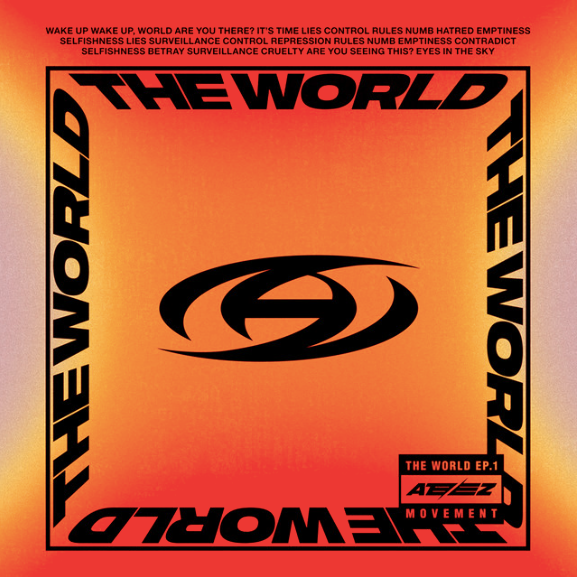
17 – The World EP.1: Movement (ATEEZ) (2022)
Source: Spotify
ATEEZ have built their reputation through immersive storytelling, powerful performances, and ambitious concepts. The World EP.1: Movement is the clearest representation of that vision.
Combining dystopian themes, cinematic production, and explosive performances, the album delivered a cohesive narrative that rewarded listeners beyond individual title tracks. At a time when some questioned whether concept-heavy albums still resonated with audiences, ATEEZ proved there was still strong demand for detailed worldbuilding.
The album further established ATEEZ as one of the most performance-driven groups of their generation and inspired newer acts to invest more heavily in storytelling.
Why It Changed K-Pop?
- Advanced concept-album storytelling
- Strengthened worldbuilding as a marketing model
- Elevated ATEEZ internationally
- Influenced newer performance-focused groups
Essential Tracks of the Album
- Guerrilla
- Cyberpunk
- New World
16 – I Never Die ((G)I-DLE) (2022)

Source: Spotify
Few groups have embraced creative independence as confidently as (G)I-DLE. I Never Die showcased exactly why that matters.
Led by Jeon Soyeon’s songwriting and production, the album blended rock, hip hop, and pop into a project that felt bold, personal, and unapologetically authentic. Its lead single, TOMBOY, became one of the defining songs of the fourth generation, challenging conventional expectations of girl group concepts.
Beyond its commercial success, the album sparked wider conversations about creative control and the importance of self produced music within the idol industry.
Why It Changed K-Pop?
- Elevated conversations around creative ownership
- Strengthened songwriter-led idol groups
- Influenced Fourth-Generation girl groups
- Proved authenticity can drive commercial success
Essential Tracks of the Album
- TOMBOY
- MY BAG
- VILLAIN DIES
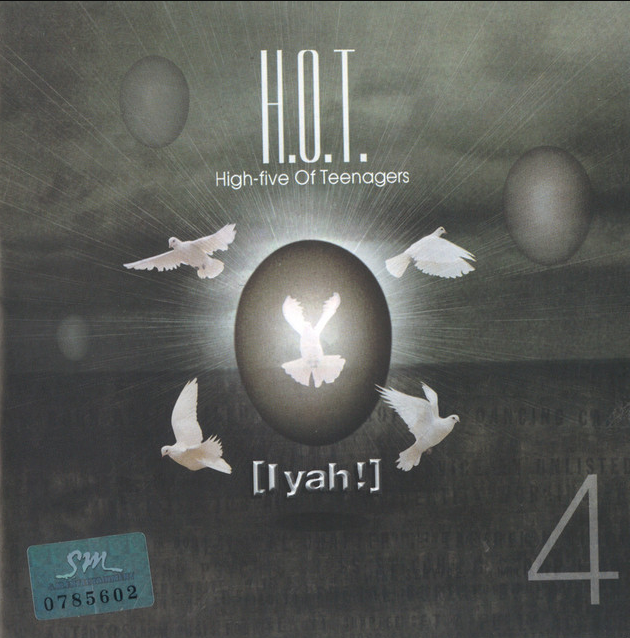
15 – I Yah! (H.O.T.) (1999)
Source: Spotify
When discussing the origins of modern K-pop, Seo Taiji and Boys usually receive most of the attention. But H.O.T. transformed those early ideas into the blueprint for the idol industry.
I Yah! arrived during a significant moment in South Korea, with its title track addressing the tragic Sealand Youth Training Center fire. At a time when idol music was often viewed as light entertainment, the album demonstrated that it could also tackle serious social issues.
Beyond the music, H.O.T. helped establish many of the traditions that still define K-pop today, including organized fan clubs, merchandise, and passionate fandom culture.
Why It Changed K-Pop?
- Helped establish idol fandom culture
- Demonstrated that K-pop could address social issues
- Cemented H.O.T.’s influence on the trainee system
- Influenced the structure of future idol groups
Essential Tracks of the Album
- I Yah!
- Hope
- Outside Castle
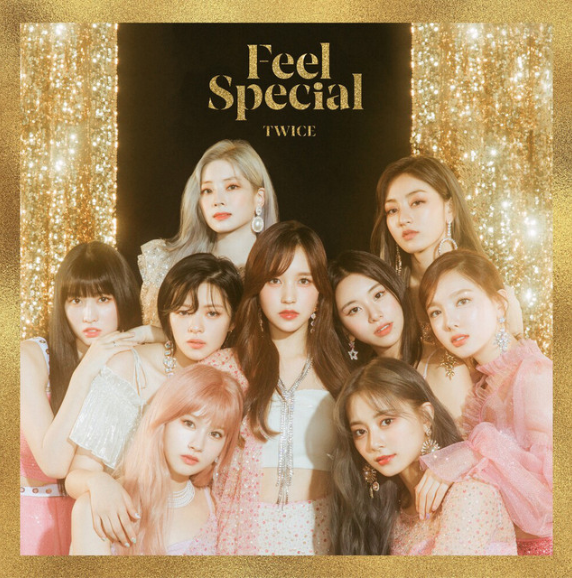
14 – Feel Special (TWICE) (2019)
Source: Spotify
Every successful K-pop group reaches a point where they must evolve to stay relevant. For TWICE, that moment came with Feel Special.
After years of dominating the charts with bright, upbeat concepts, the group embraced a more mature and emotionally driven sound. The title track explored themes of self worth, loneliness, and finding strength through meaningful relationships, resonating with fans around the world.
The album marked a turning point in TWICE’s career, proving they could successfully move beyond their signature image without losing the charm that made them one of K-pop’s biggest acts. It also encouraged more idol groups to embrace vulnerability and personal storytelling in their music.
Why It Changed K-Pop?
- Marked TWICE’s successful artistic evolution
- Encouraged more emotionally vulnerable storytelling
- Expanded expectations for girl-group maturity
- Strengthened fan-focused narrative songwriting
Essential Tracks of the Album
- Feel Special
- Get Loud
- Love Foolish
13 – Sorry, Sorry (SUPER JUNIOR) (2009)

Source: Spotify
Few K-pop songs are as instantly recognizable as Sorry, Sorry. Its addictive chorus and iconic hand rubbing choreography became cultural phenomena, helping introduce K-pop to audiences across Asia and beyond.
Released during the peak of the Hallyu Wave, the album played a major role in expanding K-pop’s international reach. Its accessible sound and memorable performances made it easy for new listeners to discover Korean pop music, while its commercial success cemented Super Junior as one of the defining groups of the second generation.
More than a decade later, Sorry, Sorry remains one of the genre’s most recognizable releases and a symbol of K-pop’s early global expansion.
Why It Changed K-Pop?
- Expanded K-pop’s reach across Asia
- Popularized choreography-driven marketing
- Strengthened the Hallyu Wave internationally
- Introduced millions of new listeners to K-pop
Essential Tracks of the Album
- Sorry, Sorry
- It’s You
- Why I Like You
12 – Get Up (New Jeans) (2023)

Source: Spotify
When NewJeans debuted, they quickly challenged many of the conventions that had defined fourth generation K-pop. Get Up cemented that shift.
Instead of relying on high intensity production and elaborate concepts, the album embraced minimalist pop, UK garage, R&B, and Y2K inspired aesthetics. Its shorter songs, relaxed performances, and understated visuals offered a refreshing alternative that resonated with audiences worldwide.
The album’s influence was almost immediate, with many newer groups adopting softer production styles and more casual concepts. While its long term legacy is still being written, Get Up has already become one of the defining releases of the current era.
Why It Changed K-Pop?
- Shifted girl-group production trends
- Popularized minimalist Y2K aesthetics
- Demonstrated the power of shorter-form releases
- Influenced numerous Fourth Generation acts
Essential Tracks of the Album
- Super Shy
- ETA
- Cool With You
11 – EXODUS (EXO) (2015)

Source: Spotify
During the mid 2010s, EXO set the standard for what a top K-pop boy group could achieve. EXODUS captured the group at the height of its creative and commercial power.
Blending R&B, dance pop, electronic music, and powerful vocals, the album delivered a polished and cohesive listening experience. Songs like Call Me Baby became defining hits of the third generation, while tracks such as El Dorado showcased the cinematic production that would become a hallmark of many future K-pop albums.
Beyond its music, EXODUS reinforced the importance of strong album concepts, high quality production, and carefully crafted visual storytelling.
Why It Changed K-Pop?
- Defined Third-Generation production standards
- Expanded global awareness of EXO
- Popularized large-scale concept-driven albums
- Influenced countless boy-group releases
Essential Tracks of the Album
- Call Me Baby
- El Dorado
- Exodus
10 – FML ( SEVENTEEN) (2023)

Source: Spotify
FML wasn’t just a commercial success. It rewrote the record books.
Selling millions of copies within days of its release, the album became one of the best selling K-pop albums of all time and demonstrated that physical albums remain a powerful force in the streaming era. Its success highlighted the incredible dedication of SEVENTEEN’s fandom while proving that album sales still play a major role in K-pop’s global business model.
Beyond the numbers, FML showcased SEVENTEEN’s ability to combine emotional storytelling with energetic performances, reinforcing the group’s reputation as artists who actively participate in writing, producing, and choreographing their music.
Why It Changed K-Pop?
- Rewrote album sales records
- Demonstrated the strength of fandom-driven consumption
- Elevated SEVENTEEN into industry-defining status
- Changed perceptions of physical media’s future
Essential Tracks of the Album
- Super
- F*ck My Life
- Fire
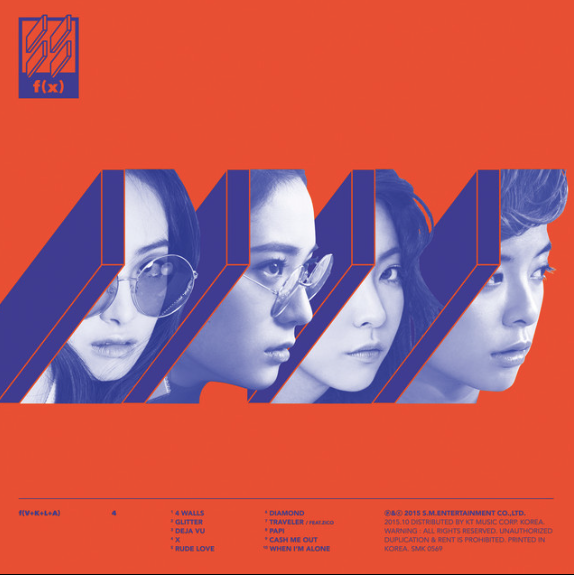
9 – 4 Walls (f(x)) (2015)
Source: Spotify
If Pink Tape established f(x) as K-pop’s most experimental girl group, 4 Walls proved that innovation wasn’t a one-time achievement.
At a time when EDM dominated mainstream pop, 4 Walls embraced deep house, future bass, and atmospheric electronic production. The album’s sophisticated sound and seamless sequencing created one of the most cohesive listening experiences in K-pop, showing that idol albums could be appreciated as complete artistic works rather than collections of singles.
Nearly a decade later, 4 Walls still sounds remarkably fresh. Its influence can be heard in countless electronic and house-inspired K-pop releases that followed, cementing its reputation as one of the genre’s most timeless albums.
Why It Changed K-Pop?
- Advanced electronic music within idol pop
- Demonstrated the value of sonic cohesion
- Influenced future experimental releases
- Strengthened K-pop’s critical reputation
Essential Tracks of the Album
- 4 Walls
- Rude Love
- Diamond
8 – CRUSH (2NE1) (2014)

Source: Spotify
Long before the term “girl crush” became one of K-pop’s defining concepts, 2NE1 had already built their identity around confidence, individuality, and fearless experimentation. CRUSH captured that spirit better than any other release.
Blending hip hop, EDM, reggae, and pop, the album showcased a bold sound that stood apart from the brighter concepts dominating the industry at the time. Songs like Come Back Home balanced emotional storytelling with cutting edge production, while the album as a whole highlighted the group’s versatility and charisma.
Although it was their final studio album, CRUSH left a lasting impact on the industry by helping establish the blueprint for the modern girl crush concept embraced by many of today’s biggest girl groups.
Why It Changed K-Pop?
- Established the girl-crush blueprint
- Expanded female creative expression
- Influenced multiple generations of artists
- Remains one of K-pop’s most influential girl-group albums
Essential Tracks of the Album
- Come Back Home
- Gotta Be You
- Crush
7 – Seo Taiji and Boys I (Seo Taiji and Boys) (1992)

Source: Spotify
Every genre has a defining starting point. For modern K-pop, that moment was the debut of Seo Taiji and Boys.
Released in 1992, the group’s self titled debut album introduced hip hop, rap, rock, and new jack swing to mainstream Korean music. At a time when the industry was dominated by traditional ballads and trot, their fresh sound challenged conventions and completely changed the direction of Korean popular music.
The album’s influence extends far beyond its music. It inspired the trainee system, performance focused idol groups, and many of the production styles that continue to shape K-pop today. Without Seo Taiji and Boys, the modern K-pop industry simply wouldn’t exist in its current form.
Why It Changed K-Pop?
- Introduced modern pop production to Korea
- Inspired the idol industry model
- Launched the foundation of contemporary K-pop
- Influenced every generation that followed
Essential Tracks of the Album
- I Know (Nan Arayo)
- As the Night Goes On
- You, In the Fantasy
6 – WINGS (BTS) (2016)

Source: Spotify
Before K-pop albums became known for intricate storylines and interconnected universes, BTS raised the standard with WINGS.
Drawing inspiration from literature, psychology, and themes of temptation, identity, and personal growth, the album delivered one of the most ambitious concepts ever attempted by an idol group. Each member received a solo track, adding depth to the narrative while showcasing their individual artistry.
WINGS proved that a commercially successful K-pop album could also be a complex artistic statement. Its influence can still be seen in the elaborate storytelling, cinematic visuals, and interconnected universes adopted by many groups today.
Why It Changed K-Pop?
- Elevated conceptual storytelling
- Expanded expectations for album narratives
- Influenced modern K-pop worldbuilding
- Marked BTS’s transition toward global superstardom
Essential Tracks of the Album
- Blood Sweat & Tears
- Spring Day
- Begin
- Lie
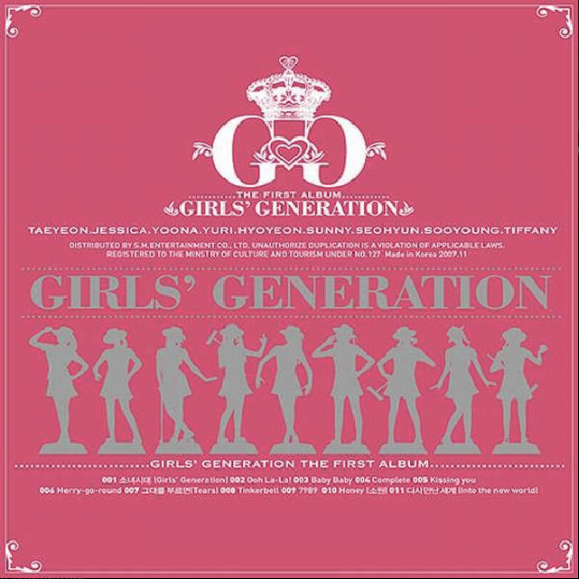
5 – Girls’ Generation (Girl’s Generation) (2007)
Source: Spotify
Few debut albums have had a lasting impact comparable to Girls’ Generation. While the group would go on to release many iconic records, their debut established a blueprint that influenced countless girl groups.
The album introduced polished performances, memorable melodies, and the balanced group dynamic that became synonymous with Girls’ Generation. More importantly, its standout track, Into the New World, grew beyond its origins as a debut song to become one of South Korea’s most meaningful cultural anthems, appearing at public demonstrations, celebrations, and national events.
The success of Girls’ Generation helped define the second generation of K-pop and set the standard for what a modern girl group could become.
Why It Changed K-Pop?
- Established the modern girl group template
- Influenced countless future female acts
- Produced one of Korea’s most culturally important songs
- Helped define the Second Generation era
Essential Tracks of the Album
- Into the New World
- Girls’ Generation
- Kissing You
4 – MADE (BIGBANG) (2016)

Source: Spotify
Few K-pop albums have balanced artistic ambition and commercial success as effectively as MADE. Released through a unique series of monthly single albums before being compiled into a full-length record, the project kept fans engaged for nearly a year and redefined how K-pop albums could be promoted.
Musically, MADE showcased BIGBANG’s incredible versatility. From the emotional vulnerability of Loser and If You to the explosive energy of Bang Bang Bang and the experimental charm of Bae Bae, every release demonstrated a different side of the group without sacrificing cohesion.
More importantly, MADE proved that idol groups could actively shape their own artistic identity. BIGBANG’s involvement in songwriting and production inspired future generations of idols to seek greater creative control, making MADE one of the most influential albums of the third generation.
Why It Changed K-Pop?
- Elevated expectations for artistic involvement
- Expanded the definition of idol music
- Influenced countless Third Generation artists
- Created one of K-pop’s most celebrated release campaigns
Essential Tracks of the Album
- Bang Bang Bang
- Loser
- Bae Bae
3 – Love Yourself: Tear (BTS) (2018)

Source: Spotify
Few albums have done more to change how the world views K-pop than Love Yourself: Tear.
Released in 2018, it became the first Korean language album to debut at No. 1 on the Billboard 200, marking a turning point in K-pop’s global expansion. More importantly, the achievement wasn’t driven by a single viral hit. It reflected growing international recognition of BTS as artists capable of delivering meaningful, album focused experiences.
Musically, Love Yourself: Tear explored themes of heartbreak, identity, and self acceptance through a blend of hip hop, R&B, rock, and pop. Tracks like Fake Love, Singularity, and The Truth Untold showcased the group’s emotional depth and storytelling, helping prove that Korean language music could resonate with audiences worldwide.
Its success opened doors for future K-pop artists, making it one of the defining albums in modern music history.
Why It Changed K-Pop?
- First Korean album to debut at No. 1 on Billboard 200
- Expanded K-pop’s legitimacy in Western markets
- Elevated expectations for album storytelling
- Opened doors for future K-pop acts internationally
Essential Tracks of the Album
- Fake Love
- Singularity
- The Truth Untold
2 – Pink Tape (f(x)) (2013)

Source: Spotify
More than a decade after its release, Pink Tape remains the benchmark against which ambitious K-pop albums are measured.
Released in 2013, the album challenged the perception that idol music was designed only to produce hit singles. Instead, it delivered a carefully sequenced listening experience where every track contributed to a larger artistic vision. Blending electro pop, synth pop, R&B, and experimental production, Pink Tape pushed creative boundaries without losing its accessibility.
Critics praised its originality, cohesion, and willingness to take risks, while many producers and artists cited it as a source of inspiration. Although later albums achieved greater commercial success, few matched its long term artistic influence.
For many music critics, Pink Tape represents the moment K-pop proved it could produce albums that stand alongside the best pop records in the world. Its legacy continues to shape how ambitious idol albums are created today.
Why It Changed K-Pop?
- Elevated K-pop’s critical reputation
- Established albums as artistic statements rather than collections of singles
- Influenced generations of producers and creative directors
- Remains the benchmark for artistic ambition in idol music
Essential Tracks of the Album
- Rum Pum Pum Pum
- Airplane
- Shadow
- Pretty Girl
1 – Map of the Soul: 7 (BTS) (2020)

Source: Spotify
If Love Yourself: Tear introduced BTS to the top of the global music industry, Map of the Soul: 7 demonstrated just how far K-pop had come.
Inspired by psychologist Carl Jung’s theories on identity and the shadow self, the album explored themes of fame, fear, growth, and self reflection while celebrating BTS’s seven year journey. Despite its ambitious concept, it became one of the best selling albums in K-pop history, proving that audiences were willing to embrace complex narratives alongside mainstream success.
At twenty tracks, Map of the Soul: 7 felt less like a traditional idol album and more like a retrospective of BTS’s career. It combined commercial dominance with artistic ambition in a way few K-pop releases ever had, influencing later artists to approach albums as complete creative statements rather than simply collections of songs.
Why It Changed K-Pop?
- Redefined the scale of K-pop album releases
- Combined mainstream success with conceptual ambition
- Influenced a generation of album-centered storytelling
- Remains one of the most acclaimed BTS projects
Essential Tracks
- ON
- Black Swan
- Interlude: Shadow
- Louder Than Bombs
If you want a detailed breakdown of their latest album here the link: BTS ‘Arirang’ Review: Every Track Ranked and Broken Down
Critics’ Favorites vs Fan Favorites Albums:
One reason debates about the greatest K-pop albums never end is that critics and fans often value different things.
Critics tend to reward artistic ambition, innovation, and experimentation, while fans often prioritize emotional connection, commercial success, and personal impact.
Here’s how those perspectives compare.
| Critics’ Favorites | Fan Favorites |
| Pink Tape | Map of the Soul: 7 |
| 4 Walls | Love Yourself: Tear |
| Perfect Velvet | MADE |
| Right Place, Wrong Person | FML |
| Palette | Born Pink |
Neither perspective is right or wrong. Some albums become classics because they push creative boundaries, while others earn their place through the memories, emotions, and cultural moments they create for millions of fans.
The greatest K-pop albums often achieve both.
10 Great K-pop Albums That Just Missed the Top 25:
Several outstanding albums narrowly missed this ranking. While they didn’t quite make the final list, each has made a meaningful contribution to K-pop and remains essential listening.
| Album | Artist | Why It Missed the Top 25 |
| Reboot | Wonder Girls | Revived retro pop with live band instrumentation. |
| Modern Times | IU | A critically acclaimed jazz and swing inspired album. |
| Odd | SHINee | Expanded SHINee’s experimental sound. |
| The Chaos Chapter: FREEZE | TXT | A defining release for modern pop rock in K-pop. |
| Savage | aespa | Popularized hyperpop inspired production. |
| Neo Zone | NCT 127 | Strengthened experimental hip hop and R&B. |
| Max & Match | LOONA ODD EYE CIRCLE | A cult favorite known for its innovative production. |
| NOEASY | Stray Kids | Showcased self produced music and genre blending. |
| The Perfect Red Velvet | Red Velvet | Expanded on the group’s acclaimed Velvet concept. |
| BABY BABY | S.E.S. | One of the defining albums of first generation K-pop. |
The Most Influential Album of Every K-pop Generation:
While this article ranks the greatest albums overall, certain releases best represent the defining moments of each generation.
| Generation | Album | Why It Stands Out |
| 1st Generation | Seo Taiji and Boys | Introduced modern Korean pop music and inspired the idol industry. |
| 2nd Generation | Girls’ Generation | Established the blueprint for the modern K-pop girl group and helped expand the Hallyu Wave. |
| 3rd Generation | Love Yourself: Tear | Changed global perceptions of K-pop and opened new international opportunities. |
| 4th Generation | Get Up | Shifted industry trends with its minimalist sound and Y2K inspired aesthetic. |
| 5th Generation | Too early to determine | As the fifth generation is still in its early years, its defining album has yet to emerge. |
Final Thoughts:
The story of K-pop isn’t just told through chart topping singles or record breaking sales. It’s told through albums that challenged expectations, inspired future artists, and changed the way people experienced Korean music.
From Seo Taiji and Boys laying the foundation for modern K-pop to Girls’ Generation defining a generation of girl groups, BIGBANG pushing artistic boundaries, BTS taking Korean music to unprecedented global heights, and f(x) proving that idol albums could be celebrated as complete artistic works, these records represent the milestones that shaped the industry.
As K-pop continues to grow around the world, new classics will undoubtedly emerge. But whether you’re a longtime fan or discovering the genre for the first time, these albums remain essential listening for anyone who wants to understand how K-pop became one of the biggest musical movements in the world.
Frequently Asked Questions (FAQs):
1. What is the greatest K-pop album of all time?
There isn’t a single definitive answer, as the “greatest” album depends on the criteria being used. If artistic innovation and critical acclaim are the focus, many critics consider Pink Tape by f(x) the greatest K-pop album ever made.
For global impact, Love Yourself: Tear by BTS is often regarded as one of the genre’s most influential releases, while Map of the Soul: 7 stands out for its commercial success and ambitious storytelling.
2. Which K-pop album sold the most copies?
Sales records continue to change as albums remain in circulation, but FML by SEVENTEEN is among the best selling K-pop albums of all time, with more than 6 million copies sold on the Circle Chart. Other record breaking releases include Map of the Soul: 7 by BTS and 5 STAR by Stray Kids.
3. What was the first K-pop album to reach No. 1 on the Billboard 200?
Love Yourself: Tear by BTS became the first Korean language album to debut at No. 1 on the Billboard 200 in 2018. The achievement marked a major milestone for K-pop and helped expand its global recognition.
4. Which K-pop album is best for new fans?
If you’re new to K-pop, these albums offer a great introduction to the genre’s diversity:
- Pink Tape by f(x)
- MADE by BIGBANG
- Love Yourself: Tear by BTS
- Girls’ Generation by Girls’ Generation
- EXODUS by EXO
Together, they showcase different generations, musical styles, and concepts that have shaped K-pop.
5. What is the difference between a K-pop full album and a mini album?
A full album typically contains eight or more tracks, while a mini album or EP usually includes four to seven songs. Although full albums often receive more attention, many of K-pop’s most influential releases, such as Get Up by NewJeans, are mini albums.
6. Which K-pop album is considered the most influential?
Most music historians credit Seo Taiji and Boys (1992) as the most influential K-pop album because it introduced modern pop, hip hop, and rap into mainstream Korean music. It also laid the foundation for the idol system that defines K-pop today.
7. Why is Pink Tape considered a masterpiece?
Released in 2013, Pink Tape is widely praised for its experimental production, cohesive sequencing, and artistic vision. Rather than focusing on individual hit songs, it delivers a complete album experience, which is why it continues to be cited by critics as one of the greatest K-pop albums ever released.
8. Which K-pop girl group has released the most influential album?
Several girl groups have released genre defining albums, but Pink Tape by f(x), Girls’ Generation by Girls’ Generation, CRUSH by 2NE1, Perfect Velvet by Red Velvet, and Get Up by NewJeans are among the most influential.
9. Which K-pop album changed the industry the most?
While many albums transformed K-pop in different ways, Seo Taiji and Boys, Pink Tape, Love Yourself: Tear, and MADE are widely regarded as the releases that had the greatest impact on the industry’s musical direction, global popularity, and artistic standards.
10. Will future K-pop albums surpass these classics?
Absolutely. K-pop continues to evolve with every generation, and new artists are constantly pushing creative boundaries. While the albums on this list have already secured their place in history, future releases may eventually redefine the genre and join the conversation as modern classics
